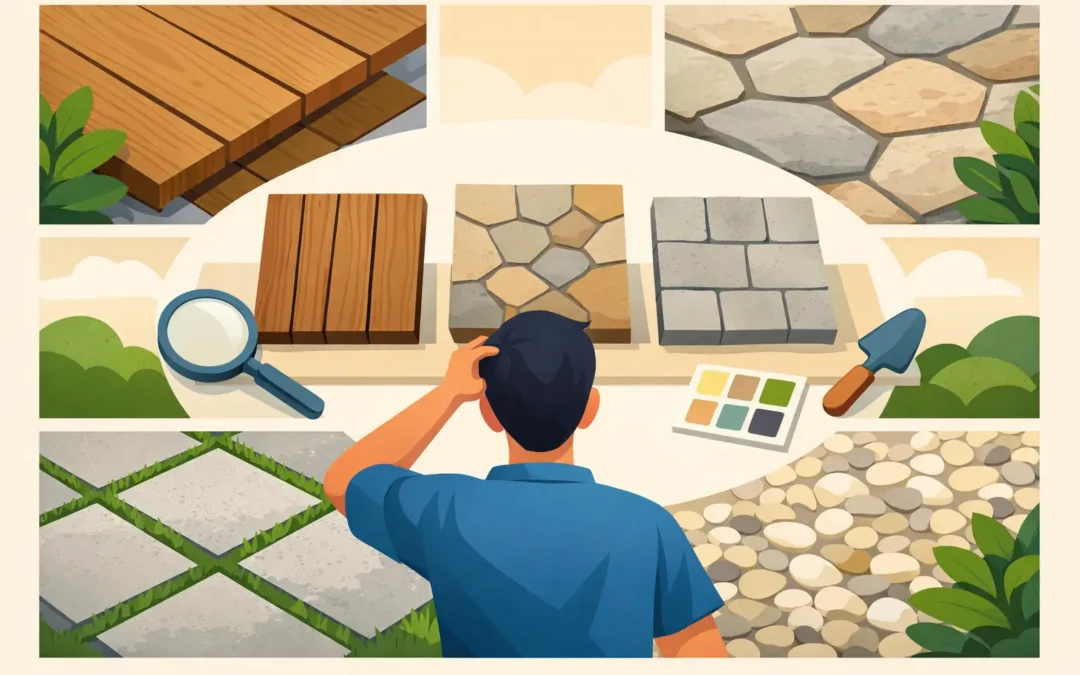
A patio can look excellent on day one and still be the wrong choice for your garden. We see this when a surface suits the photo in someone’s mind but not the way they actually live outside. If you are working out how to choose patio materials, the right starting point is not colour or pattern – it is how the space will be used, how much upkeep you want, and how the patio needs to perform in Aberdeen and Aberdeenshire weather.
A good patio should do more than fill space. It should feel right against the house, cope with regular foot traffic, drain properly, and stay looking smart without becoming a constant maintenance job. That is where material choice really matters.
How to choose patio materials for your property
The best material is usually the one that balances appearance, practicality and long-term value. Homeowners often begin by asking which paving looks best, but a better question is which one will still look good after several winters, family use, outdoor furniture, and the usual Scottish mix of rain, damp and temperature changes.
Start by thinking about the property itself. A traditional stone-built home often suits natural stone or a textured block that feels established and in keeping with the setting. A newer extension or more contemporary garden may suit porcelain or a cleaner-lined concrete product. The patio should not feel disconnected from the building. When the materials complement the brick, render, stone or joinery details of the house, the whole outdoor area feels more considered.
Then look at how the space will function. A patio for outdoor dining has different demands from one designed mainly as a decorative seating area. If you want space for children to move around, frequent entertaining, or access from bifold or French doors, you will need a surface that is level, durable and easy to keep clean. If the patio is wrapping around planting beds or sloping ground, installation detail becomes just as important as the slab itself.
Natural stone, porcelain or concrete?
Most patio decisions come down to three broad categories: natural stone, porcelain and concrete-based paving. Each can work well, but each comes with trade-offs.
Natural stone
Natural stone remains a popular choice because it has character that manufactured materials rarely replicate fully. Sandstone, granite and limestone each bring a different look and texture. The variation in tone and surface can make a garden feel warmer and more established, especially in period or rural properties.
The trade-off is that natural products are less uniform. That is part of their appeal, but it does mean you need to be comfortable with variation between slabs. Some stones also need more care than others, particularly if you want to keep the original finish and reduce staining. Quality and source matter a great deal here. A well-chosen natural stone patio can look outstanding, but lower-grade products can weather unevenly.
Granite is often chosen where durability is a priority. It is hard-wearing and suits homes looking for a crisp, premium finish. Sandstone can be very attractive and versatile, though it needs careful selection and proper installation to perform well over time.
Porcelain
Porcelain has become a strong option for homeowners who want a sleek, low-maintenance finish. It is consistent in colour, generally resistant to staining, and easy to clean. For modern garden designs, it often gives the neatest result.
That said, porcelain is less forgiving during installation. The base, levels and fixing methods need to be right. Done properly, it gives a sharp, high-quality appearance. Done poorly, it will show every issue. It can also feel more contemporary than some properties suit, so the style of the house should always be part of the decision.
Slip resistance is another point worth checking. Many porcelain products are designed for outdoor use, but not all finishes perform the same way when wet. This is especially important for family gardens, entrances and areas used year-round.
Concrete and manufactured paving
Concrete slabs and other manufactured paving options can offer very good value and a broad choice of finishes. Modern products are far better than many people expect, and some are designed to imitate stone convincingly while keeping costs more controlled.
This route can make sense if you are creating a larger patio area and want a practical, attractive result without stretching the budget too far. The main consideration is quality. Cheaper products may weather faster or lose their finish sooner, while better-made paving can give a reliable and smart-looking result for years.
Budget matters, but value matters more
One of the biggest mistakes in choosing patio materials is comparing only the cost per slab. The true cost of a patio includes groundwork, drainage, edging, access, waste removal and installation quality. A less expensive material can become poor value if it needs replacing early or never quite delivers the finish you wanted.
It is usually better to think in terms of overall value. If the patio is a major part of the garden and directly connected to your home, it is worth choosing a material that improves the look and use of the space properly. This is especially true if the work forms part of a wider garden transformation, extension or refurbishment.
That does not mean the most expensive option is always the right one. Sometimes a mid-range product fitted well will outperform a premium slab installed badly. Good preparation and skilled laying are what turn materials into a finished patio that looks right and lasts.
Consider maintenance before you commit
When deciding how to choose patio materials, maintenance should be part of the conversation early on. Some clients are happy to carry out occasional cleaning and sealing. Others want a surface they can leave largely alone apart from normal washing down.
If you prefer low upkeep, porcelain is often attractive for that reason. Natural stone can also age beautifully, but it may need more attention depending on the type selected and the finish you want to preserve. Textured surfaces can be forgiving visually, though they may hold dirt more readily than smoother finishes. Very pale paving can look bright and fresh, but it may show marks more obviously in high-use areas.
There is no single right answer here. The right choice depends on whether you want a patio that stays crisp with minimal effort or one that develops a more natural, weathered character over time.
Drainage, sunlight and garden conditions
A patio material never works in isolation. Garden conditions shape how successful it will be.
A shaded area under trees may stay damp longer, which can affect how quickly algae or surface grime appears. An exposed south-facing garden may get hotter and brighter, changing how colour and glare feel in everyday use. If the plot slopes, drainage design becomes critical. Even the best-looking slab will disappoint if water sits on the surface or runs back towards the house.
This is why site assessment matters. The right material should be chosen alongside the right sub-base, falls and layout. On many projects, the long-term success of the patio is less about the brochure sample and more about the build underneath it.
Match the patio to the way you use the garden
A family garden usually benefits from practicality first. That often means durable paving with good slip resistance and enough consistency for furniture, barbecues and regular movement. If the space is mainly for relaxing and appearance is the top priority, you may be more open to natural variation and decorative detailing.
Commercial and rental properties may need a slightly different approach again. In those cases, durability, straightforward maintenance and broad appeal tend to lead the decision. A patio should still look smart, but it also needs to cope with frequent use and be cost-effective over time.
This is where tailored advice is valuable. A patio is not a product you simply pick off a shelf. It works best when it is designed around the property, the client and the intended use of the space.
How to narrow down your final choice
Once you have reduced your options, compare them side by side in practical terms. Ask which one suits the house best, which one fits the budget comfortably, which one gives you the level of maintenance you want, and which one will still feel right in five or ten years.
It also helps to view materials in natural light rather than relying on small showroom images or online photos. The tone of a slab can look very different outdoors, especially in changing Scottish light. Samples are useful, but seeing how a material works within a full garden design is even better.
At AGM Construction, we often find that the best patio choices come from balancing ambition with realism. Clients want a beautiful finish, quite rightly, but they also want a space that works properly and stands up well over time. When those things come together, the result adds more than visual appeal – it creates an outdoor area that genuinely improves the way a property is used.
If you are choosing patio materials now, aim for the option that fits your home, your lifestyle and your expectations after the build is complete, not just on the day the last slab goes down.