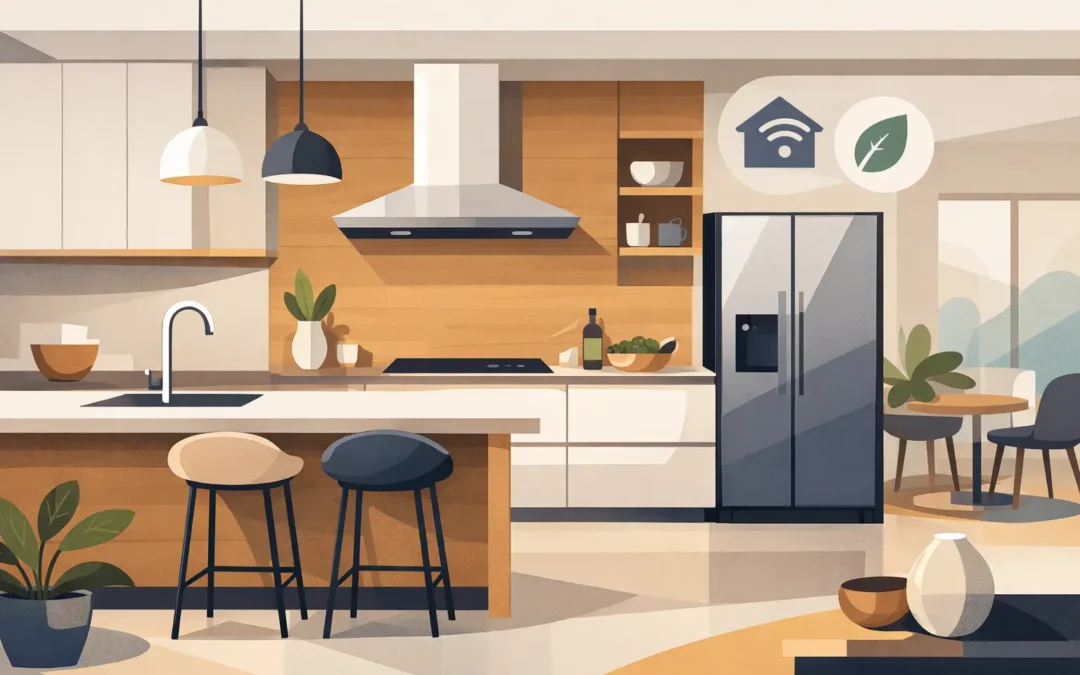
A kitchen that looks impressive on day one but frustrates you every morning is not good design. The most useful kitchen design trends 2026 are moving away from short-lived fashion and towards spaces that work harder, feel warmer and stand up to daily family life.
For homeowners in Aberdeen and Aberdeenshire, that shift makes sense. A kitchen refurbishment is a serious investment, and most people want more than a showroom look. They want better storage, easier movement, durable finishes, improved lighting and a layout that suits the way they actually cook, eat and gather.
Kitchen design trends 2026 are becoming more practical
The biggest change is not one colour or one material. It is a more thoughtful approach. Kitchens are being designed around routine, not just appearance. That means fewer features included for show and more decisions based on how the room is used from breakfast through to evening.
Open-plan living still matters, but it is being handled with more care. Rather than one large blank space, many homeowners now want kitchens that connect to dining and living areas while still feeling defined. Islands, peninsulas, changes in flooring and clever lighting all help create zones without closing the room in.
This is especially important in extensions and ground floor reconfigurations. A larger footprint gives you options, but it also raises expectations. If the kitchen is becoming the centre of the home, every element needs to earn its place.
Warm, grounded colours replace stark finishes
Cool greys and very clinical whites have been on the way out for some time, and 2026 continues that move. Warmer neutrals, muted greens, clay tones, mushroom shades and deep blue-greens are becoming the more reliable choice. They feel calmer, more lived-in and generally more forgiving in everyday use.
That does not mean every kitchen will be dark or dramatic. In many homes, especially where natural light is limited during winter months, the best result comes from balancing warmth with brightness. Painted cabinetry paired with lighter worktops, timber detailing and layered lighting often achieves more than a single flat colour scheme.
The trade-off is that very trend-led colours can date faster if used too heavily. For that reason, many clients are choosing stronger colour on base units or an island while keeping walls, tall units or worktops more neutral.
Natural texture matters as much as colour
Another clear direction in kitchen design trends 2026 is texture. People want kitchens that feel crafted rather than overly manufactured. Timber grains, stone-effect surfaces, ribbed glass, brushed metal finishes and subtle tactile details all help soften the room.
This suits a workmanship-led approach because the finish quality becomes much more visible. When materials are simpler and more natural, poor fitting stands out. Clean joinery lines, neat edges and well-planned transitions between surfaces make a real difference.
Storage is getting smarter, not just bigger
Bigger kitchens do not automatically solve clutter. In fact, a larger room can become harder to use if storage is poorly planned. One of the strongest practical trends for 2026 is better internal organisation.
Pantry cupboards, deep drawer storage, integrated bin systems and appliance garages are all growing in popularity because they reduce visual noise. The aim is to keep worktops clearer and make the kitchen easier to maintain.
This is one area where bespoke planning often gives better long-term value than simply filling a room with standard units. A family that batch cooks, a homeowner who wants a coffee station tucked away, or a property owner renovating for resale will all need something slightly different.
Hidden storage works best when it suits your routine
Concealed storage can look excellent, but only if it reflects the way you live. Pocket doors hiding breakfast prep areas are useful for some households and unnecessary for others. The same goes for oversized larders, built-in wine storage or open shelving.
Open shelving, for example, still has a place, but far less of it is being used purely for display. Most homeowners are recognising that exposed shelves can quickly collect dust and look untidy. Used sparingly, they can add character. Used heavily, they often create more maintenance.
Worktops and cabinetry are being chosen for longevity
Durability is now a much bigger part of the conversation. That is partly down to cost, and partly because clients are more aware of how quickly some finishes show wear. Kitchen design trends 2026 favour materials that can handle regular use without losing their appearance too quickly.
Quartz-style surfaces, quality laminates, solid timber accents and porcelain are all being considered with performance in mind. The right choice depends on budget, cooking habits and the level of upkeep you are happy to take on.
Cabinet finishes are also becoming more considered. Matte and super-matte finishes remain popular, but they are not always the easiest in busy households if they mark easily. Painted timber and high-quality textured boards can offer a better balance between appearance and practicality.
There is no universal best option here. A household with young children, pets and constant traffic may prioritise ease of cleaning over a delicate finish. Someone creating a statement kitchen in a period property may be willing to accept a little more maintenance for the right look.
Lighting is now part of the design, not an afterthought
Poor kitchen lighting can undermine an otherwise excellent refurbishment. One of the more important shifts for 2026 is treating lighting as part of the overall design from the start.
A single central fitting is no longer enough. The most successful kitchens use layers of light for different tasks and times of day. That usually means combining general room lighting with focused task lighting over work surfaces and softer feature lighting to bring warmth in the evening.
Under-cabinet lighting continues to be a strong practical choice because it improves visibility exactly where you need it. Pendant lighting over an island or dining area can help define the layout, but scale matters. Oversized fittings can dominate smaller spaces, while decorative lights that do not give enough usable light often disappoint.
Smart controls are becoming more common
Technology in kitchens is becoming quieter and more useful. Rather than novelty features, homeowners are leaning towards practical upgrades such as app-controlled lighting, boiling water taps, charging drawers and more efficient appliances.
The best of these improvements simplify daily use. The less useful ones tend to be expensive extras added without a clear benefit. As with any part of a kitchen project, the right choice depends on your priorities and how long you plan to stay in the property.
Layouts are being shaped around real life
The old kitchen triangle still has value, but modern kitchen planning is broader than that. People want room for cooking, socialising, homework, working from home and everyday family movement. That is influencing kitchen design trends 2026 just as much as finishes and colours.
Islands remain highly desirable, but they are not automatically the right answer. In some rooms, a peninsula gives better flow and more usable storage. In others, keeping the centre open creates a more comfortable space. A layout should be built around circulation, not forced around a feature.
This is where an experienced contractor adds value early. Good planning can spot issues before work begins, from awkward door swings and poor sightlines to heating positions, natural light levels and structural constraints.
Sustainability is becoming more grounded
Sustainability in kitchen design is becoming less about buzzwords and more about sensible decisions. Clients are asking better questions about product lifespan, insulation upgrades, energy-efficient lighting and appliances, and whether a kitchen can be refreshed in stages rather than ripped out again too soon.
That practical approach is a positive one. Choosing durable materials, improving thermal performance during wider refurbishment work and investing in craftsmanship that lasts often does more good than chasing a fashionable eco label.
What should homeowners actually take from kitchen design trends 2026?
The main lesson is simple. The best kitchens in 2026 will not be the ones that copy every trend. They will be the ones that combine strong design with careful build quality and suit the property they are in.
A contemporary extension may suit handleless cabinetry, large-format surfaces and a bold island. A traditional home may feel better with framed doors, warmer timber tones and a more furniture-led look. Both can be current if they are planned properly.
For homeowners considering a renovation, refurbishment or extension, this is the right time to think beyond finishes alone. Consider how the kitchen connects to the rest of the home, how much storage you really need, what level of maintenance suits your lifestyle and where it makes sense to invest for the long term.
When a kitchen is designed around real use, built with care and finished to a high standard, it will still feel right long after the latest trend has passed. That is usually the best place to start if you want a room that adds comfort, function and lasting value.