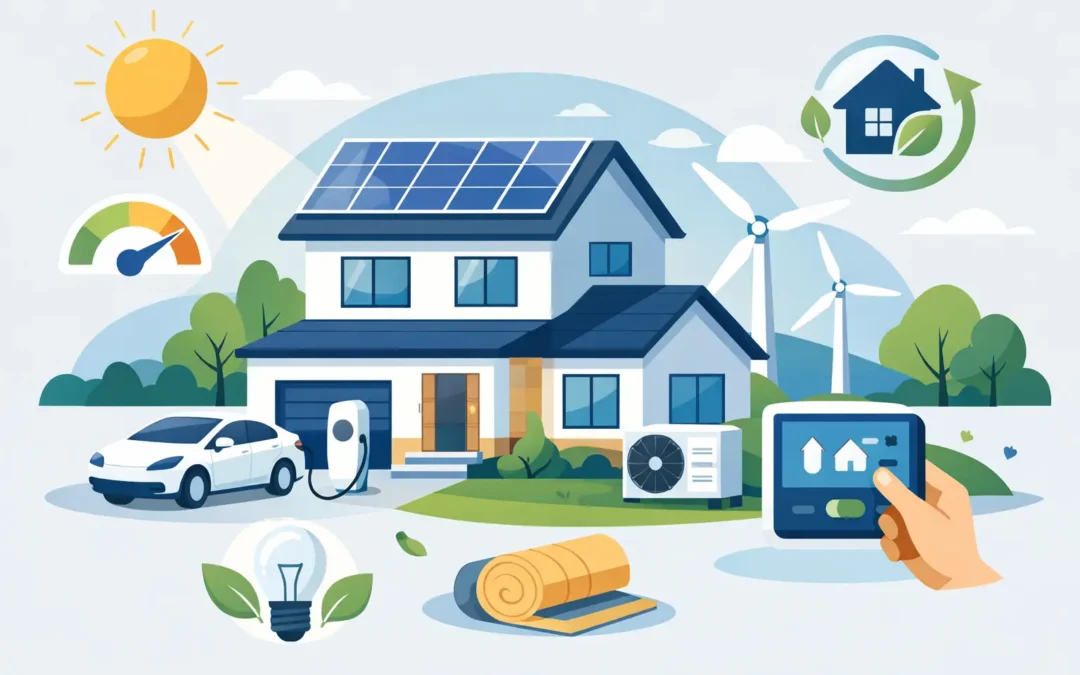
When a home feels cold by the windows, costly to heat, or difficult to keep comfortable from one room to the next, the issue is rarely just the boiler. The best energy saving home upgrades usually come from looking at the property as a whole – how it holds heat, where it loses it, and which improvements will make a real difference over time.
For homeowners across Aberdeen and Aberdeenshire, that matters. Our climate puts homes under pressure for much of the year, so efficiency is not just about lower energy bills. It is also about warmer living spaces, fewer draughts, better day-to-day comfort, and improvements that support the long-term value of the property.
Why energy saving home upgrades work best as a joined-up plan
One of the biggest mistakes homeowners make is treating energy improvements as isolated jobs. A new heating system might sound like the answer, but if the house is still losing heat through old windows, poor insulation, or gaps around doors, you are paying for heat that is simply escaping.
A better approach is to start with the building fabric first. That means looking at insulation, airtightness, glazing, and the overall condition of the home before deciding what mechanical upgrades make sense. In many cases, improving how the house retains warmth can reduce the demand on the heating system, which may influence what size or type of system is worth installing.
This is where experienced project planning matters. If several trades are involved, a coordinated approach can save time, reduce disruption, and make sure one improvement is not undermined by another.
The upgrades that usually deliver the biggest difference
Loft and roof insulation
If your home is losing heat through the roof, loft insulation is often one of the most worthwhile places to start. Heat rises, and in older properties especially, insufficient insulation can make rooms feel cooler than they should and force the heating to work harder.
This upgrade is not particularly glamorous, but it can have a strong impact on comfort and efficiency. The trade-off is that insulation needs to be installed properly, with attention to ventilation and moisture control. Done badly, it can create condensation problems rather than solve them.
Wall insulation
Wall insulation can make a major difference, particularly in homes with older construction. Whether internal, external, or cavity wall insulation is suitable depends entirely on the property type. There is no one-size-fits-all answer.
For some homes, cavity wall insulation is straightforward and cost-effective. For others, especially older solid-wall properties, the decision is more nuanced. Internal insulation can affect room sizes and finishing details. External insulation changes the outside appearance and may require additional work around windows, sills, and rooflines. The right option depends on the building, the budget, and the finish you want to achieve.
Windows and doors
Replacing tired windows and doors can improve both thermal performance and draught reduction. This is often where homeowners notice an immediate difference, especially in exposed areas where wind and weather are a regular issue.
That said, not every property needs full replacement as the first step. In some cases, poor sealing, failed units, or damaged frames are the real problem. In others, a complete upgrade is the better long-term investment. The key is choosing products that suit the age, style, and construction of the home rather than chasing specifications that look impressive on paper but do not match the property.
Floor insulation and draught proofing
Cold floors are not just uncomfortable. They are also a sign that heat is being lost at a level many homeowners overlook. Floor insulation can be especially valuable in ground-floor rooms above unheated spaces or suspended timber floors.
Draught proofing also deserves more attention than it usually gets. Small gaps around skirtings, loft hatches, service penetrations, and doors may not seem significant on their own, but together they can make a home noticeably harder to heat. Good draught reduction is one of the simpler energy saving home upgrades, yet it works best when carried out carefully as part of a broader improvement plan.
Heating upgrades only make sense when matched to the house
Once the building is retaining heat more effectively, heating upgrades become more meaningful. This might involve replacing an outdated boiler, upgrading controls, improving radiator performance, or reviewing whether a different heating setup is appropriate.
Smart controls can help, particularly for busy households that want better control over when and where heat is used. Zoned heating is also worth considering in larger homes, where different spaces are used at different times of day.
However, a heating upgrade is not automatically the first priority. If the home itself is inefficient, a new system may still struggle to deliver the results you expect. That is why the best outcomes usually come from balancing fabric improvements with mechanical upgrades rather than focusing on one in isolation.
Kitchens, extensions and renovations are the right time to improve efficiency
Many of the best energy improvements happen during wider building work. If you are renovating a kitchen, opening up a living space, converting part of the home, or building an extension, there is an ideal opportunity to upgrade insulation, improve glazing, review heating layouts, and address older problem areas while the work is already underway.
This approach often makes better financial sense than returning to do the same areas later. It can also produce a more consistent finish, because efficiency measures are built into the project rather than added as an afterthought.
For example, a rear extension designed with good insulation, efficient glazing, and thoughtful heating can feel far more comfortable year-round than an older part of the house. In some cases, that contrast encourages homeowners to improve the original spaces too, creating a more balanced and usable home overall.
What to prioritise if you cannot do everything at once
Most homeowners are not carrying out every upgrade in one project, and that is perfectly reasonable. The right order depends on the property and your plans for it.
If the home feels obviously draughty or cold, start with the areas where heat is being lost most heavily. If you are already planning a renovation, look at which energy improvements can be integrated into that work. If your heating system is ageing but the house is also poorly insulated, it is worth assessing both together before committing funds to either.
A practical order is often this: first improve insulation and reduce unwanted air leakage, then review windows and doors if needed, and finally assess heating and controls based on the improved performance of the home. That sequence will not suit every property, but it is a sound starting point for many.
The value goes beyond lower bills
Homeowners often begin looking at efficiency because of running costs, but the benefits are wider than that. Well-planned upgrades can improve everyday comfort, reduce cold spots, make rooms easier to use through winter, and support the overall presentation and desirability of the property.
They can also make a home feel better built and better cared for. That matters whether you are planning to stay for years or thinking about future resale. Buyers notice warm, efficient, well-finished homes, especially when improvements have been completed properly and with attention to detail.
For a company like AGM Construction, that wider view is important. Energy efficiency should not feel like a bolt-on technical exercise. It should be part of creating a home that works better, looks better, and delivers lasting value.
Choosing upgrades that are right for your property
Not every recommended improvement will be right for every home. Age, construction type, budget, planning considerations, and your long-term plans all play a part. A detached family home, a period property, and a modern bungalow may all need completely different solutions.
That is why tailored advice matters more than generic checklists. The best results come from understanding how the property is built, what problems you are trying to solve, and how the work can be delivered to a high standard from start to finish.
If your home is due for renovation, extension work, or a broader upgrade, energy efficiency is worth building into the conversation from the start. The strongest projects are the ones that improve comfort and performance without compromising the look, quality, or character of the finished space.
A warmer home, lower running costs, and a better standard of living usually begin with practical decisions made at the right time – and with the right team behind them.